
A World Without Armies — Practical Steps Toward a World Without War
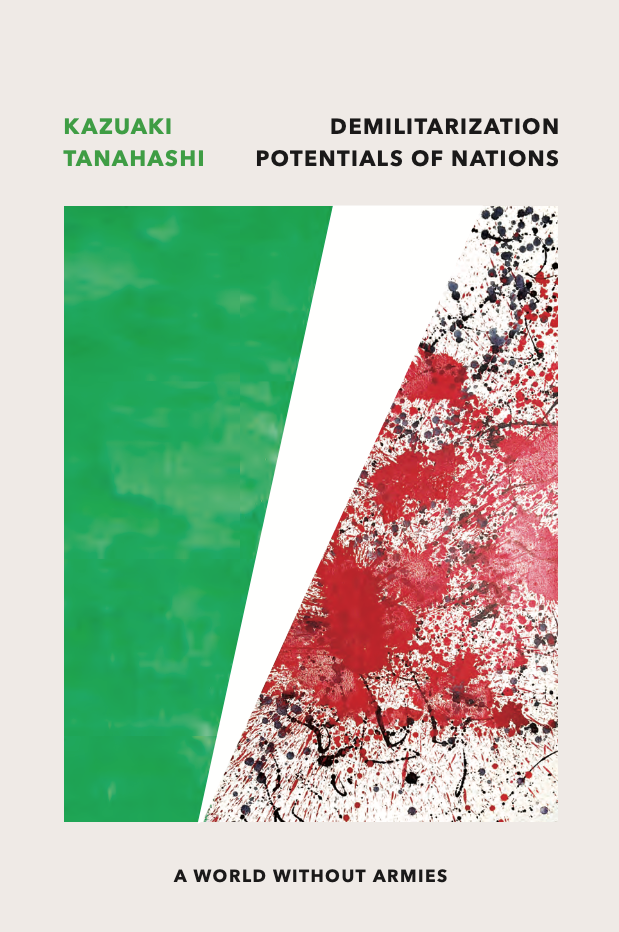
Free Download
Demilitarization Potentials of Nations
by Kazuaki Tanahashi
This research examines the realistic potential for nations to reduce and eliminate their military forces. Available as a free PDF in three languages.
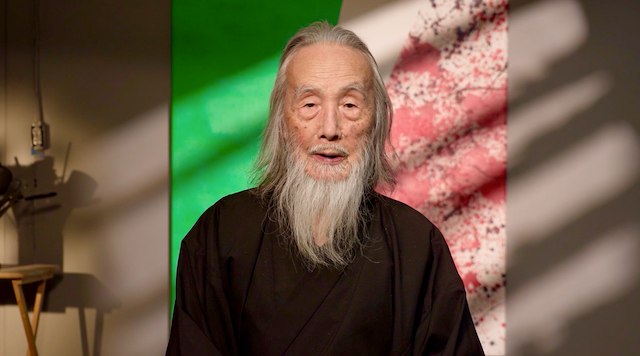
Kazuaki Tanahashi
Author, Artist & Peace Activist
About the Author
Kazuaki Tanahashi
Author, Artist & Peace Activist
Kazuaki Tanahashi is a Japanese-born author, artist, and peace activist who has dedicated decades to the study of demilitarization and the possibility of a world without armed conflict.
His research examines twenty nations with high potential for demilitarization, drawing on the inspiring example of Costa Rica, which abolished its military in 1949 and has thrived ever since.
Tanahashi's work bridges art, scholarship, and activism — offering a rigorous yet hopeful vision for a more peaceful world.

Our Mission
A World
Without Armies
In a time of global conflict and social unrest, interest in demilitarization is growing. There is an urgent need to examine what demilitarization could look like in nations around the world.
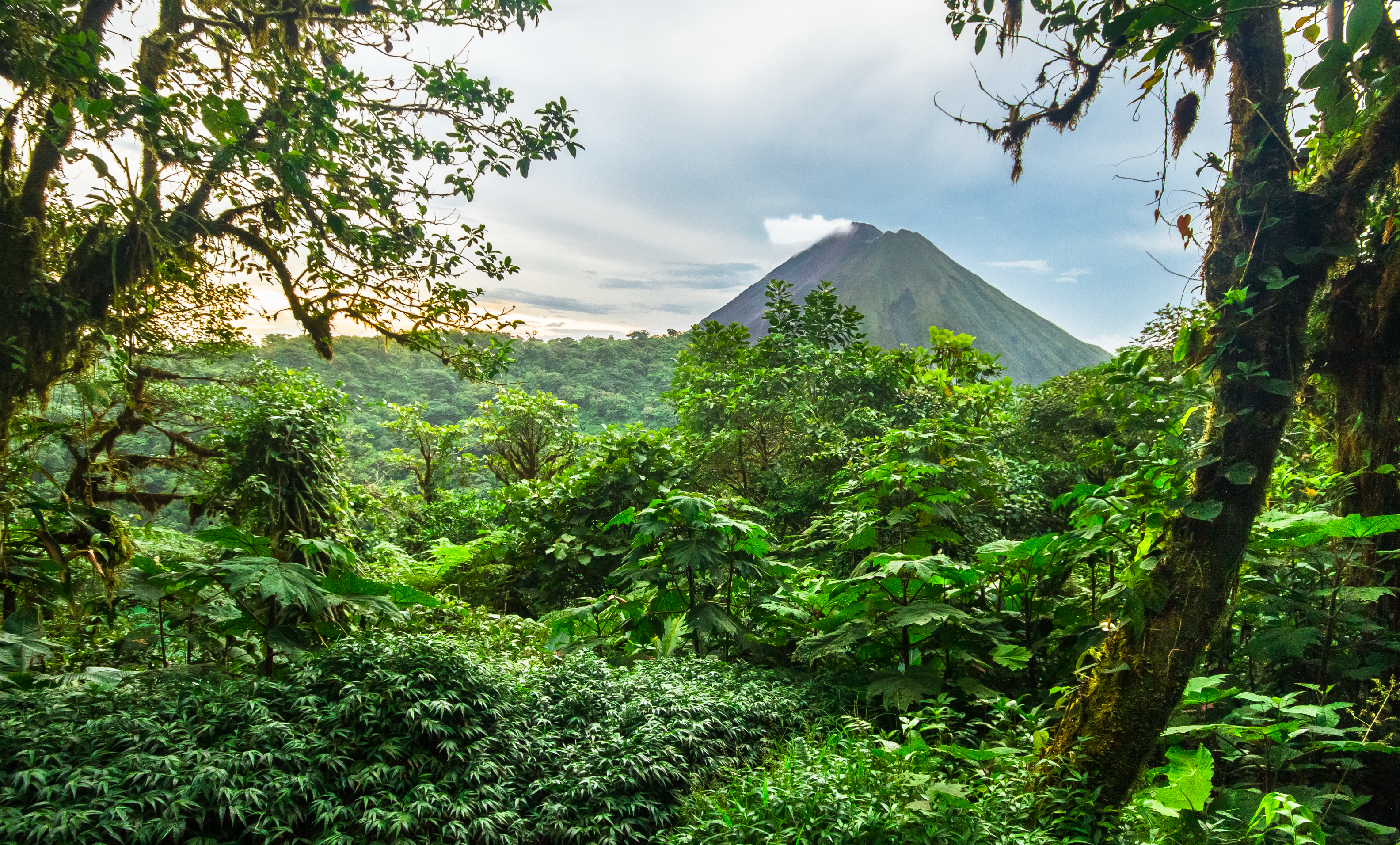
Costa Rica provides an important example. In 1949, it abolished its armed forces and has continued to thrive without a standing army. We work with people in Costa Rica to share their experience with other parts of the world.
Our Objectives
What We're Working Toward
Study the possibilities
Support academic research into the potential for demilitarization in twenty nations.
Support nations ready for change
Encourage Central American nations and other countries with high demilitarization potential to begin the process of abolishing their armies.
Build international cooperation
Encourage the United Nations to establish a Council for Nations Without Armies to address the security needs of countries without standing armies.
Raise awareness
Help people around the world understand which nations currently live without armies and explore the potential benefits of societies free from the burden of maintaining military forces.
Give people a voice
Create opportunities for people who feel disenchanted or disenfranchised by national and international politics to participate in conversations and movements that can shape the future of international security.
What We Do
Practical Efforts
for Peace
We support practical efforts to advance the idea of a world without armies.
Support the Women's Initiative for Demilitarizing Central America.
Encourage research into the demilitarization potential of nations.
Promote Courageous Conversations—friendly, non-polarized discussions about the need for and path toward a world without war.
Support and sponsor peace and reconciliation programs around the world.
Support and sponsor international children's art exhibitions imagining a world without war.
A Prosperous Path
A Prosperous Path
to Demilitarization
Demilitarization can be a gradual process.
AWWA recommends that nations invite 5–10% of their soldiers each year to transition into civilian life while maintaining equivalent salaries and benefits. Former soldiers can apply their skills to national projects that improve citizens' well-being and strengthen the economy.
Some military forces could be transformed into civil service units, with the conversion process coordinated with neighboring nations.
5–10%
soldiers transition
to civilian life per year
Already There
Nations Without Armies
25 countries currently have no standing army:
A Continent Without Armies
Antarctica demonstrates that an entire continent can remain free of armed forces under international agreement. The Antarctic Treaty, signed in 1959, prohibits military activity on the continent.
1989
In Switzerland, 35.6% of voters supported abolishing the country's army in a national referendum.
1998
Officials from 27 countries gathered in Tanzania for the conference The Leadership Challenges of Demilitarization in Africa (LCDA) to discuss the political, social, economic, and philosophical implications of demilitarization.
"The possibility of a world with fewer—and ultimately no—armies is not a new idea. The question is what we can do to move the conversation forward."
Featured Film
A World Without Armies
This documentary explores the real-world possibility of nations living without standing armies, using Costa Rica as a living example. Through interviews with scholars, activists, and Costa Rican citizens, the film asks: what would the world look like if more nations chose this path?
Also From AWWA
Reflection and Remorse: Sino-Japanese War
A short documentary exploring memory, responsibility, and reconciliation in the context of the Sino-Japanese War. Directed by JR Sheetz, Karuna Tanahashi, and Kazuaki Tanahashi.
Why Film
Seeing Is Believing
Abstract ideas become real when you see them lived. Documentary film lets us show — not just tell — what a world without armies looks like in practice.
Costa Rica has lived without a standing army for over 75 years. Film lets their story travel to every corner of the world.
75+
Years Costa Rica has lived without a standing army
25
Nations currently without armies
1959
Year the Antarctic Treaty banned military activity on a continent

Our Roots
The Costa Rica Model
In our current period of global conflict and social unrest, there is increasing interest in the topic of demilitarization. More than ever, there is an urgent need to analyze the potential for demilitarization in various nations.
Costa Rica provides a model for this, having abolished its armed forces in 1949 while maintaining the highest living standard in Central America.
We work with people in Costa Rica and endeavor to spread their exemplary practice of having no army to other parts of the world.
1949
The year Costa Rica abolished its armed forces — becoming one of the world's most enduring examples that a nation can thrive without a standing army.
What We're Working Toward
Objectives
Academic studies of the demilitarization potential of twenty nations.
Some of the Central American nations will start the process of demilitarization.
Other nations with high demilitarization potential will start and complete the process of abolishing their armies.
The United Nations will establish a Council for Nations Without Armies.
Citizens throughout the world will become fully aware of those nations currently without armies and the many advantages of a society free from the burden of maintaining military forces.
Individuals who feel disenchanted and disenfranchised by national and international politics will be empowered by participating in movements and conversations that can change the future of the international security system.
How We Work
Methods
We bring together research, conversation, education, and practical initiatives focused on demilitarization.
We support the Women's Initiative for Demilitarizing Central America.
We encourage researchers in peace studies and other relevant fields to conduct research on demilitarization potential of nations.
We request that the governments of nations with no armies, including Costa Rica, Iceland, and Panama, propose to the United Nations General Assembly the establishment of a Council for Nations Without Armies.
We promote Courageous Conversations — friendly, non-polarized discussions that explore the need and steps for creating a world without war.
We support and sponsor peace and reconciliation programs in many parts of the world.
We support and sponsor international children's art exhibitions envisioning a world without war.
Our Values
What We Believe
We believe that security does not have to depend on maintaining standing armies.
The existence of nations that have chosen to live without armies gives us an opportunity to ask an important question: What would be possible if more nations made the same choice?
We don't pretend that demilitarization is simple. Every nation faces different circumstances, security concerns, histories, and relationships with its neighbors. But we believe these questions deserve serious research, open conversation, and imaginative thinking.
We also believe that meaningful change begins with people who are willing to ask what seems impossible—and then explore what might actually be possible.
Present Day
Our Work Today
AWWA is working to expand the conversation about nations without armies and to connect people who are interested in exploring the possibilities of demilitarization.
We support efforts to study nations with potential for demilitarization, encourage international cooperation among nations without armies, and create opportunities for people from different perspectives to engage in constructive conversation.
Our goal is not simply to imagine a world without armies.
It is to help explore how we might get there.
Support the Mission
Help Build a World Without Armies
Your support and contributions will enable us to meet our goals and improve conditions. Your generous donation will fund our mission.
Suggested Donation
$20

Contact
Get in Touch
Have questions or want to get involved? We'd love to hear from you.